

Fundación para la Internacionalización de las Administraciones Públicas (FIAP)
Building trust before the ballot: Stakeholders in Kaduna outline agenda for credible 2027 election
As political parties begin to position themselves and preparations gradually gather momentum for Nigeria’s 2027 general elections, election stakeholders have
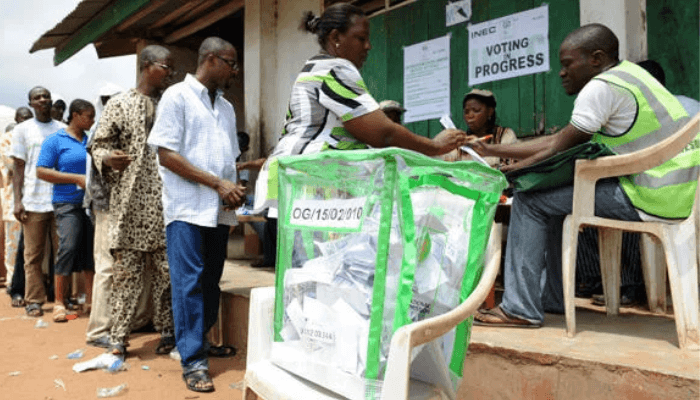
As political parties begin to position themselves and preparations gradually gather momentum for Nigeria’s 2027 general elections, election stakeholders have called for a shift from elite-driven reforms to community-led initiatives, warning that credible polls will remain elusive unless voter education, security, judicial accountability and grassroots participation are significantly strengthened.
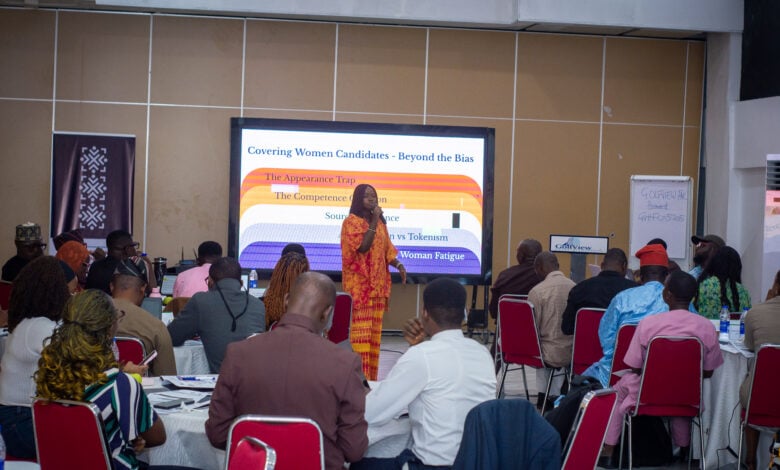
The call formed the highlight of a two-day Community Dialogues on Electoral Integrity – Trusted Voices for Credible Elections, held in Kaduna from July 28 to 29, where participants from Nigeria’s North-West and North-Central geopolitical zones identified the major threats to free and fair elections and proposed practical measures aimed at restoring public confidence in the country’s democratic process.
The dialogue was convened under the European Union Support to ECOWAS in Peace, Security and Governance (EPSG) Project, funded by the European Union, Germany’s Federal Ministry for Economic Cooperation and Development (BMZ) and Denmark’s Ministry of Foreign Affairs, with implementation by Fundación para la Internacionalización de las Administraciones Públicas (FIAP), a Spanish cooperation institution.
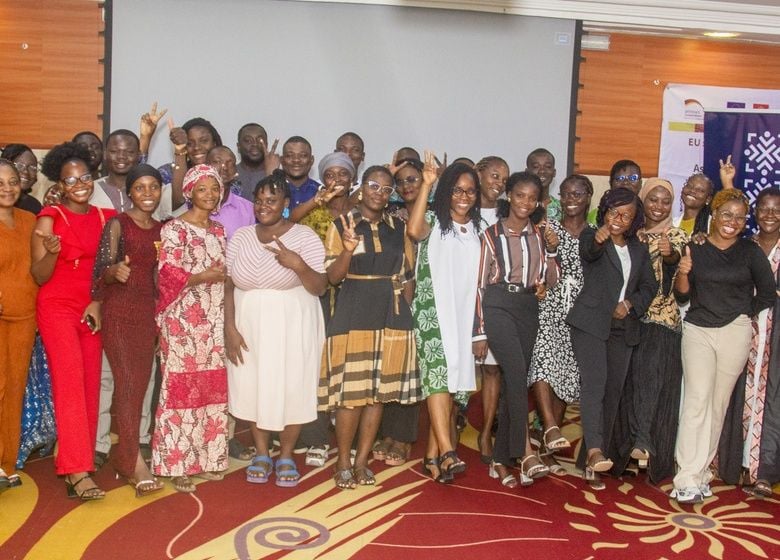
The workshop assembled 40 participants drawn from 12 states, including representatives of civil society organisations, traditional and religious institutions, the media, women and youth groups, community leaders and other stakeholders involved in promoting democratic governance.
Rather than focusing solely on institutional reforms, participants argued that communities themselves must become active custodians of electoral integrity through continuous civic engagement, peaceful participation and collaboration with electoral and security institutions.
The discussions came against the backdrop of growing concerns over voter apathy, electoral violence and declining public confidence in democratic institutions following previous election cycles.
Throughout the two-day engagement, experts and participants examined issues ranging from community-based strategies for strengthening electoral integrity to democratic accountability, electoral rights and the responsibilities of institutions responsible for conducting elections.
Panel discussions also explored the roles of the Independent National Electoral Commission (INEC), security agencies, traditional rulers, religious leaders and the media in ensuring peaceful and credible elections.
Participants observed that although Nigeria possesses an extensive legal framework for conducting elections, implementation remains weak, allowing electoral offences to go largely unpunished while political violence continues to undermine public trust.
One of the dominant concerns raised during the dialogue was the inadequate level of voter education across many communities, particularly in rural areas where misinformation and poor civic awareness continue to discourage electoral participation.
The stakeholders noted that many eligible Nigerians remain unfamiliar with electoral procedures, voter rights and available complaint mechanisms, leaving them vulnerable to manipulation during election periods.
Another recurring concern was the growing influence of drug abuse and political thuggery, which participants described as major drivers of election-related violence across several states.
They warned that the recruitment of unemployed youths into violent political activities continues to threaten electoral stability, especially in areas with weak law enforcement and limited economic opportunities.
Participants further expressed concern over what they described as insufficient engagement between INEC and critical stakeholders at the grassroots level.
According to them, stronger and more regular consultations with community leaders, civil society organisations, youth groups and women-led organisations would improve voter confidence and encourage wider participation in electoral processes.
Access to voter registration also emerged as a significant issue, with participants noting that many eligible citizens, particularly those living in remote communities, still face logistical challenges in obtaining voter registration services.
The dialogue equally highlighted persistent insecurity in conflict-prone states such as Zamfara and Benue, where violent attacks and displacement continue to affect electoral participation.
Participants warned that unless security conditions improve considerably before the 2027 elections, many citizens could be effectively excluded from exercising their democratic rights.
They also linked increasing voter apathy to recurring incidents of violence, intimidation and distrust in the electoral system, arguing that many Nigerians have become discouraged by the perception that elections often fail to reflect the genuine wishes of voters.
The workshop identified weak judicial accountability as another obstacle to electoral credibility.
Participants expressed concern that many electoral offences are either poorly investigated or not prosecuted, thereby encouraging impunity and undermining confidence in democratic institutions.
Closely related to this were concerns over conflicting judicial pronouncements on electoral matters, which participants said sometimes create uncertainty and erode public trust in the electoral dispute resolution process.
The dialogue also examined public perceptions of policing during elections.
Participants observed that distrust of the police remains widespread in many communities, making it difficult for security agencies to effectively build partnerships with citizens before and during elections.
They stressed that improving professionalism, accountability and community engagement would be essential for rebuilding confidence.
Media ownership and political influence over news organisations also featured prominently during the discussions.
Participants warned that biased reporting and unequal media access for political parties could fuel misinformation, deepen political divisions and undermine public confidence in election outcomes.
Another emerging concern was the rising incidence of drug abuse among women in parts of Northern Nigeria, a trend participants described as an evolving social challenge capable of affecting community mobilisation and political participation.
Attention was also drawn to the psychological pressures experienced by security personnel deployed during elections, with participants noting that mental health support should become part of broader security sector reforms.
The dialogue further observed that weak internal democracy within political parties continues to limit the emergence of credible candidates and contributes to post-primary disputes that often escalate into litigation and violence.
To address these challenges ahead of the 2027 polls, participants proposed a broad range of recommendations centred on community ownership and institutional reforms.
Among the recommendations was a call on INEC to institutionalise regular engagement with stakeholders across all levels to improve transparency, strengthen public trust and encourage citizens’ participation in electoral activities.
The participants also urged electoral authorities, civil society organisations and community groups to sustain continuous voter education campaigns beyond election periods to improve civic awareness and democratic participation.
They recommended stricter enforcement of electoral laws, insisting that individuals involved in vote buying, voter intimidation and other electoral offences must be investigated and prosecuted without political interference.
Traditional and religious leaders were urged to maintain political neutrality and continue promoting peaceful coexistence before, during and after elections.
The dialogue further recommended that security agencies sustain ongoing reforms aimed at improving professionalism, protecting voters and preventing acts of intimidation during elections.
Participants advocated the establishment of community-based early warning systems capable of detecting and responding to emerging security threats before they escalate into violence.
They also called for the creation of multi-stakeholder peace committees in communities across the country to mediate disputes and promote dialogue throughout the electoral cycle.
Recognising the importance of inclusion, participants urged greater participation of women, youths and persons with disabilities in electoral processes, both as voters and as active contributors to democratic governance.
The media was encouraged to prioritise factual, balanced and responsible reporting while ensuring equitable coverage of political parties and candidates.Civil society organisations were also urged to deepen collaboration with INEC in civic education, voter sensitisation and election observation activities.
The communique concluded that credible elections cannot be achieved through institutional reforms alone but require sustained collaboration among government agencies, communities, civil society organisations, security institutions, the media and citizens.
Participants reaffirmed their commitment to strengthening partnerships and promoting peaceful, transparent, inclusive and credible elections through continuous community engagement and shared responsibility as Nigeria prepares for another crucial electoral cycle in 2027.